


In this article
Every restaurant goes through quiet weeks. A slow off-season, a competitor opening down the street, a refurbished neighbor with shiny new social posts - there are plenty of reasons foot traffic dips. The good news is that the responses are mostly within your control.
Below are four practical steps that consistently move the needle when you need to fill seats.
Four steps to keep your restaurant booked when foot traffic dips
1. Show up on social media and engage with your guests
Great in-person service still wins the long game, but it’s not the only place hospitality happens any more. Social media is where a lot of guests first encounter your restaurant - through Instagram, Facebook, YouTube, and TikTok. Make sure to check out our linked guides on how to promote your restaurant on social media.
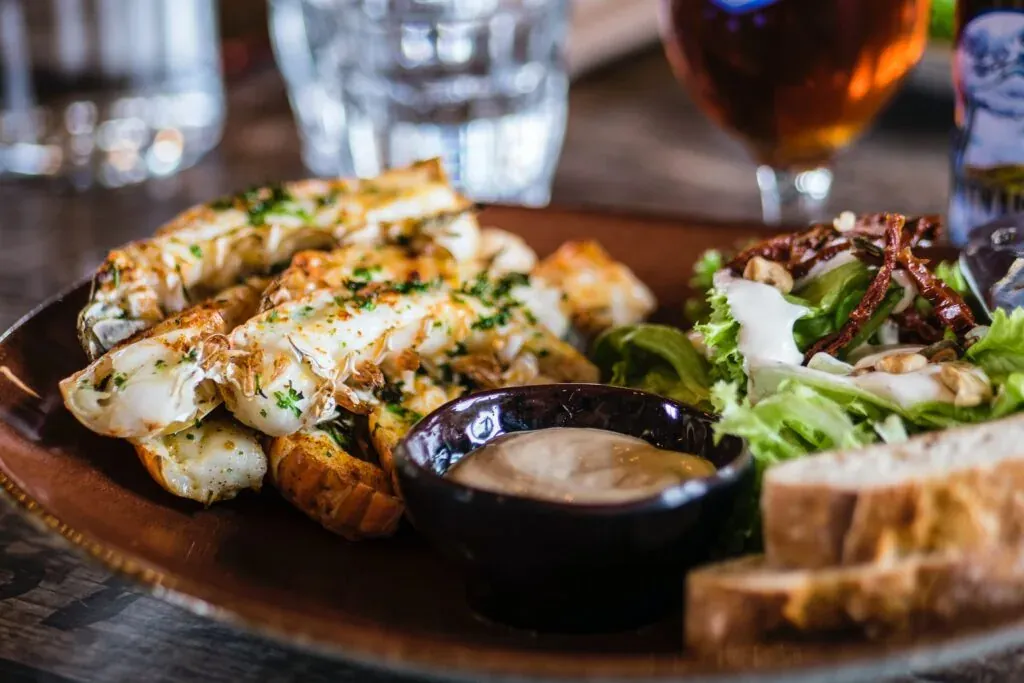
Post photos that look like the actual experience, write captions in your own voice, and end each post with a friendly call-to-action - book a table, try a new dish, drop by for a glass of wine on Thursday. The point isn’t to look polished; the point is to feel reachable.
Don’t forget to add a human touch to your brand: share a photo of the team, a behind-the-scenes prep moment, or the new dish your chef is testing this week.
2. Make online booking effortless
If a guest decides they want to eat at your restaurant tonight, the next thirty seconds decide whether they actually do. Friction at the booking step is the single most fixable thing in most restaurants.
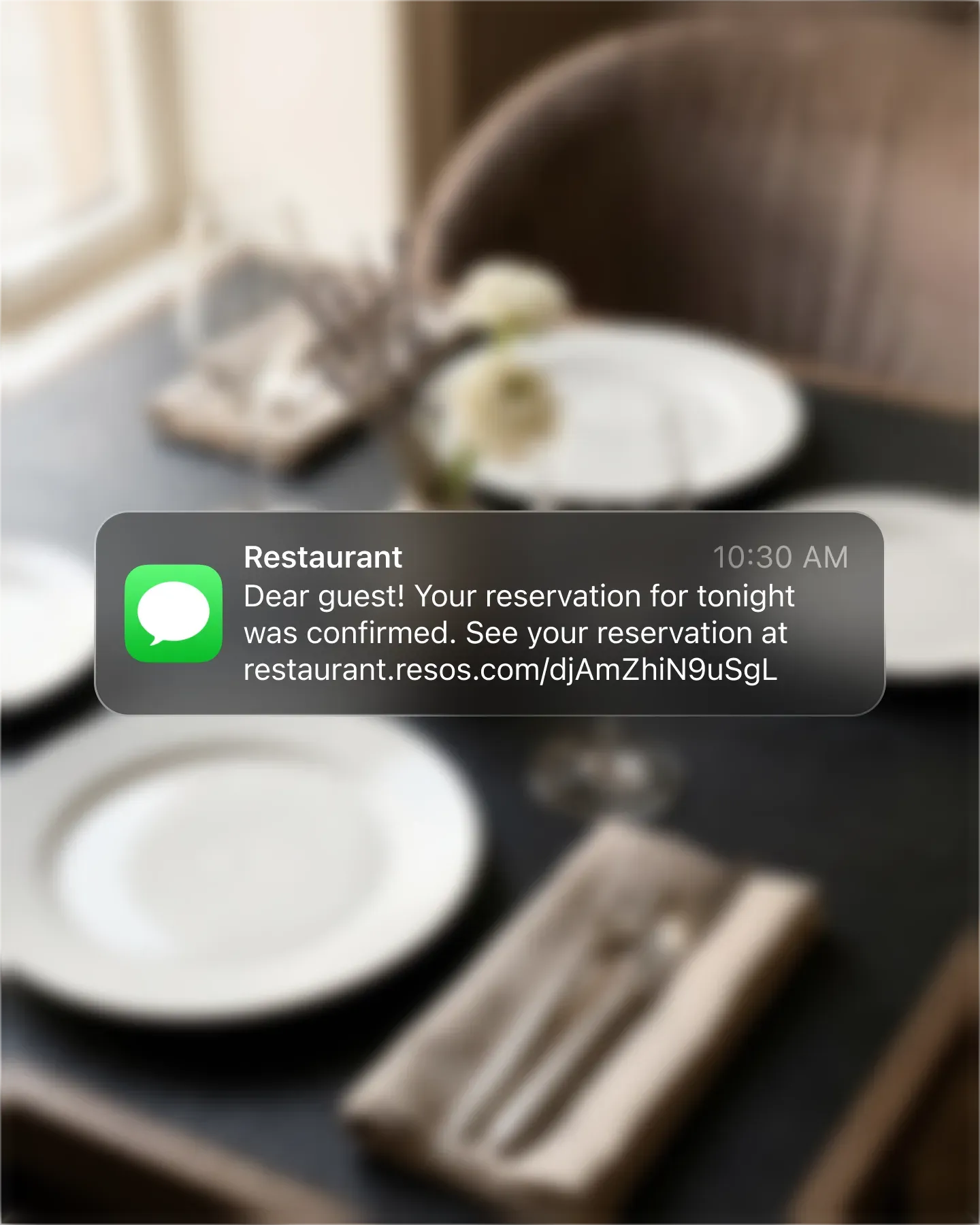
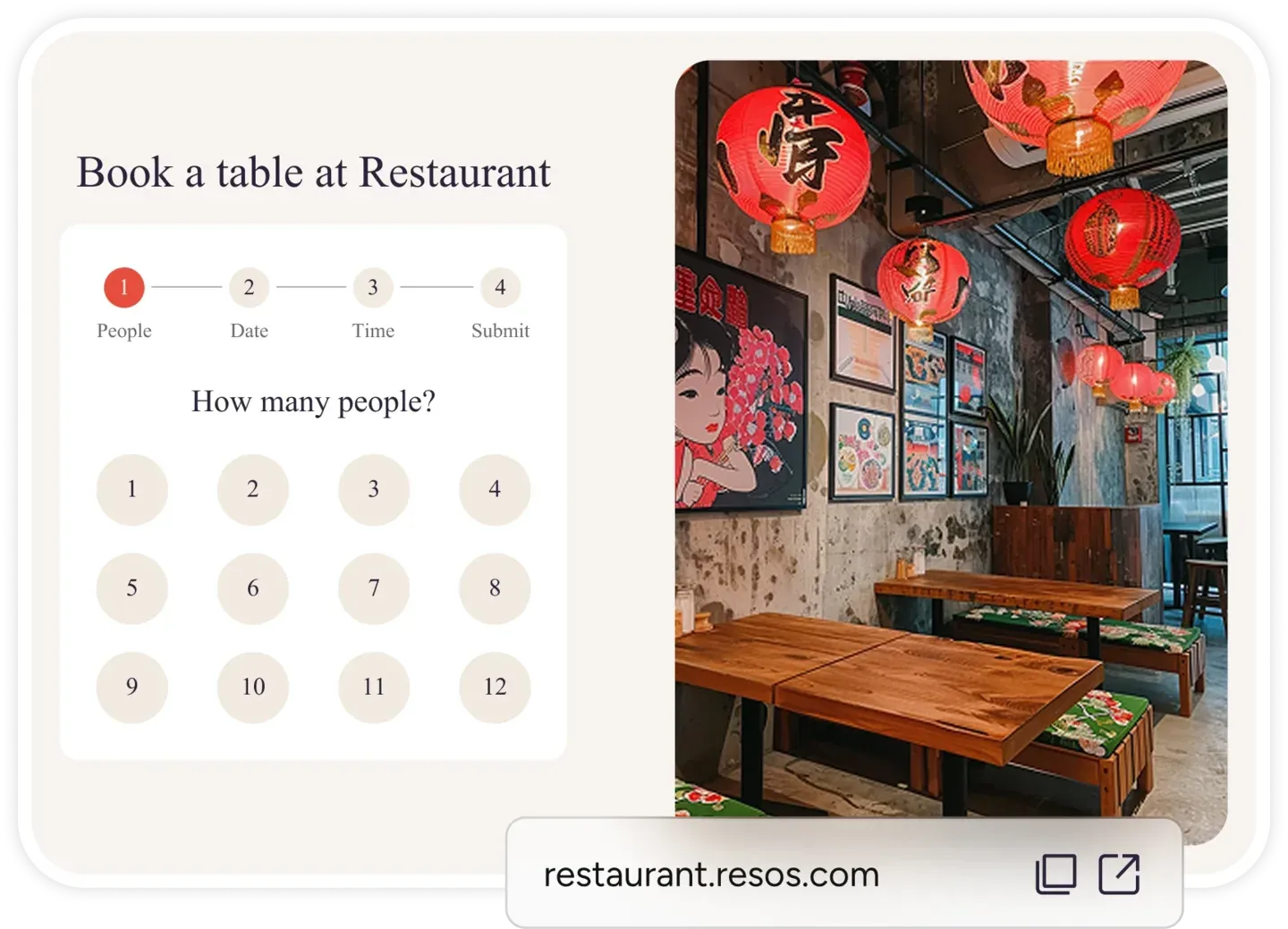
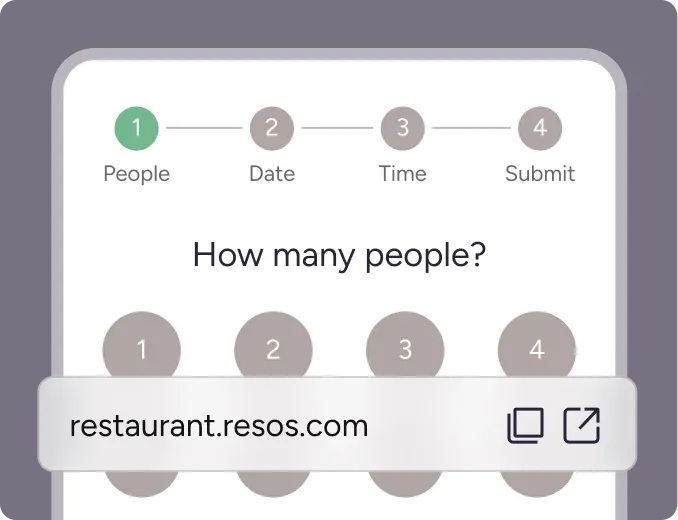
A good online reservation system means guests can reserve in two taps from your website, Google search, or Instagram - without calling, emailing, or hoping a form gets noticed. Add a Reserve with Google button so guests find you in the search results they already use, and put a clear booking link on every channel you own.
Quieter weeks are exactly when you want the easiest possible path from “I’m thinking about it” to “I’m coming.”
3. Tune your menu around what sells
Slow periods are a useful excuse to take a hard look at your menu. Which dishes consistently sell, which ones are slow movers, and which ones eat margin?
Many restaurants take advantage of quieter weeks to simplify - keeping the highest-margin, top-selling dishes and trimming the rest. A shorter menu is easier on the kitchen, faster to plate, and easier for guests to choose from. Bundling and value-led offers (“two courses + a glass of wine”) give guests a clear reason to come in this week, not next month.
4. Make the in-restaurant experience worth telling someone about
When foot traffic is soft, the worst response is to coast. The best response is to make sure every guest who walks in has a reason to come back and tell someone else.
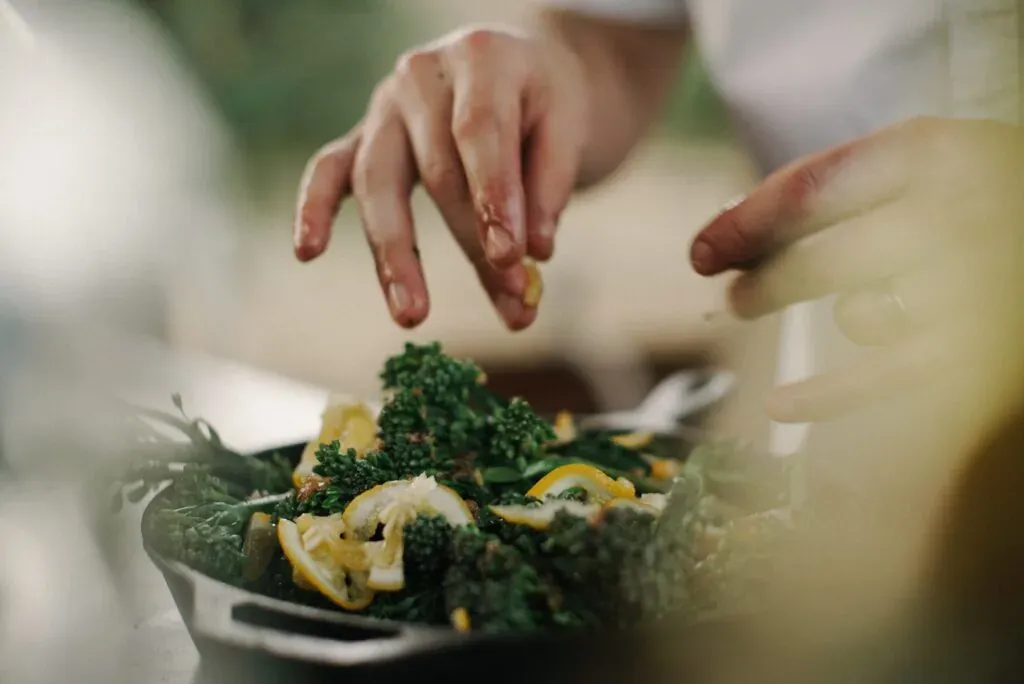
That’s mostly small things done well: a server who remembers a regular’s drink, a small extra at the start or end of the meal, a digital menu that loads instantly and shows real photos of dishes, a follow-up message that thanks the guest by name. None of it costs much. All of it compounds.
Keep your restaurant booked with Resos
Resos is a simple, powerful restaurant booking system that makes it easy to fill seats, send automatic reminders, and keep guests coming back. There’s a free plan to get started, and our team is happy to help you set things up – reach out at hi@resos.com any time.