


In this article
For almost every restaurant, buying a restaurant booking system beats building one. A bought system costs a small monthly fee and works on day one. A custom build costs months of developer time, then never stops costing you, because someone has to maintain it forever. Building only makes sense in a handful of unusual cases, and this guide explains exactly which ones.
The “build vs buy” question comes up a lot, usually after a frustrating demo or a surprise per-cover bill. The instinct is understandable: how hard can a booking form be? The honest answer is that the booking form is the easy 10%. The other 90% is everything that happens around it, and that is where a build quietly turns into a second business you never meant to start.
Key takeaways
- Buy, in almost all cases. A subscription system is live today, maintained for you, and cheaper than the developer hours a build would burn in its first month.
- The booking form is not the hard part. Table management, no-show handling, reminders, payments, and integrations are where the real work and cost live.
- A build never finishes. Payment rules, browsers, and guest expectations keep moving, so a custom system needs ongoing developer time for as long as you run it.
- Build only if you have a genuinely unique workflow that no system supports and the engineering team to own it for years.
What “build” actually means
Building a restaurant booking system is not one project. It is a stack of them.
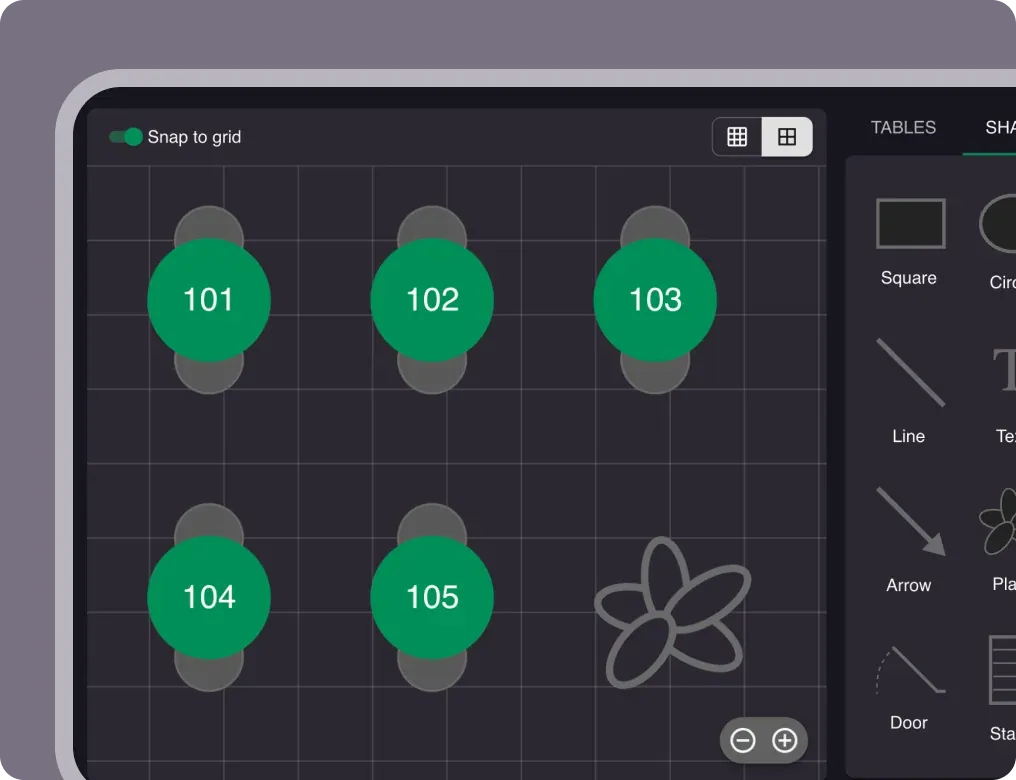
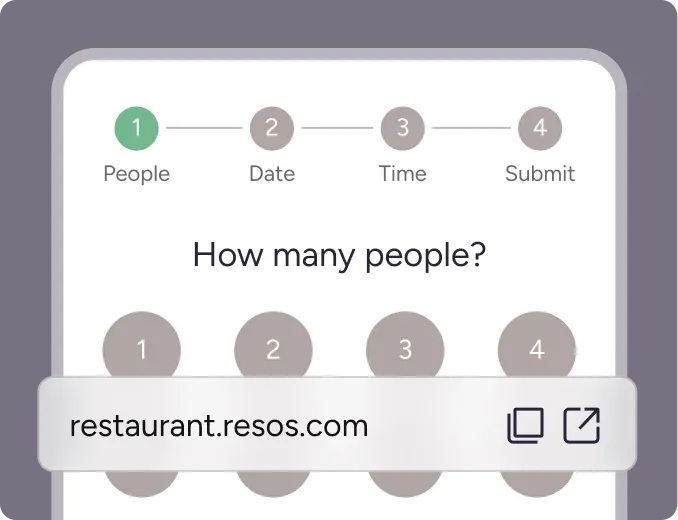
You need a guest-facing booking widget that works on every phone and browser. You need a back-end calendar that understands tables, seatings, durations, and turn times. You need table management so a 7pm pile-up does not seat four parties on the same two-top. You need automated SMS and email reminders, because without them no-shows climb. You need deposits and card capture, which means handling payments and the security rules that come with them. You need a guest database, reporting, and a way to take bookings from Google and social media, where most diners now start.
Then you need to keep all of it running. Payment providers change their rules. Browsers update. Google changes how reservations surface in search. Each change is a developer ticket. A booking system is not a thing you build once; it is a thing you maintain for as long as your restaurant is open.
What “buy” actually means
Buying means renting all of that work for a predictable monthly fee. The system is already built, already tested across thousands of restaurants, and already maintained by a team whose only job is to keep it working. You get setup in under an hour instead of a roadmap measured in quarters.
The trade-off people worry about is control: a bought system does things its way, not yours. In practice, a mature booking system is configurable enough that this rarely bites, and the time you save goes back into the floor, where it earns money.
The real cost comparison
The advertised price of a build is “free, we have a developer friend.” The real price is very different.
Building (first year, rough range): A competent developer costs far more per month than any booking system’s annual fee. Even a stripped-down build is weeks of work before launch, plus ongoing maintenance. Realistically you are looking at thousands of dollars before a single guest books, and a recurring maintenance cost that never goes to zero. Treat any “we’ll build it in a weekend” estimate with suspicion, because the weekend covers the booking form, not the 90% around it.
Buying: A subscription based on your booking volume, with no per-cover fees and no contract. Resos starts on a free plan for low volumes and stays a flat monthly fee as you grow. See the pricing page for current numbers. The point is not the exact figure; it is that the cost is small, predictable, and includes maintenance you would otherwise pay a developer for.
For a fuller breakdown of what booking systems cost and where hidden fees hide, see our guide to restaurant booking system cost.
When building actually makes sense
Building can be the right call, but the bar is high. It usually takes all of these at once:
- You have a workflow so unusual that no existing system supports it, and that workflow is core to how you make money.
- You already employ engineers who can own the system for years, not a contractor who disappears after launch.
- You have done the math and the ongoing maintenance cost is genuinely worth the control you gain.
Large groups with in-house product teams sometimes clear this bar. A single restaurant, a small chain, or a cafe almost never does.
When buying makes sense (almost always)
If you are an independent restaurant, a small group, a cafe, a bar, or a pub, buy. You get a system that works today, costs less than the developer hours a build would burn in month one, and improves over time without you lifting a finger. Your competitive edge is your food and your service, not your reservation software.
A good way to test this is to start free. Resos has a genuine free plan, so you can run real bookings through a bought system before you would have finished writing the spec for a custom one.
Frequently asked questions
Is building a restaurant booking system cheaper than buying one?
No. Building is almost always more expensive once you count developer time. Even a basic build costs thousands of dollars before launch and needs ongoing maintenance, while a bought system is a small monthly fee that already includes that maintenance.
How long does it take to build a custom booking system?
Months for anything usable, and it is never truly finished. The booking form is quick, but table management, reminders, payments, integrations, and ongoing upkeep stretch the timeline and keep consuming developer time for as long as you run it.
Can I switch from a custom system to a bought one later?
Yes. You can export your guest data and bookings and move to a system like Resos in under an hour. Many restaurants do exactly this once the maintenance cost of a home-grown system catches up with them.
What do I lose by buying instead of building?
Very little in practice. A mature booking system is configurable enough to fit most workflows, and you trade a small amount of control for a system that works today, stays maintained, and costs a fraction of a build.
Bottom line
Build only if you have a truly unique workflow and an engineering team to own it for years. Otherwise, buy: it is faster, cheaper, and someone else carries the maintenance forever. The easiest first step is to start on a free restaurant booking system and see how much a bought system already does.
Related: Restaurant booking system cost | Must-have features in a restaurant booking system | Restaurant booking system