


In this article
In the fast-paced world of the restaurant industry, managing no-shows is a critical challenge that can impact the bottom line. No-shows occur when guests make a reservation but fail to arrive without cancelling, leading to lost revenue and operational inefficiencies.
Understanding no-shows and their impact
💡A no-show at a restaurant means a reserved table remains empty without prior cancellation from the guest.
This could really mess up the expected flow of service, messing with both profits and resource planning. To tackle this, some restaurants introduce a no-show fee. It’s a charge for guests who don’t cancel their reservation within a certain timeframe, usually between 12 and 48 hours before the reservation time.
Statistics on no-shows and industry insights
Survey figures like these measure self-reported guest behavior, so they run far higher than recorded outcomes. Counting actual reservation outcomes, the Resos No-Show Index puts the average recorded no-show rate at 2.33% across 3.77 million reservations, and finds that 56% of cancellations arrive within 24 hours of service, a late-release problem the headline no-show numbers hide.
Insights into demographic trends and no-show reasons 📈
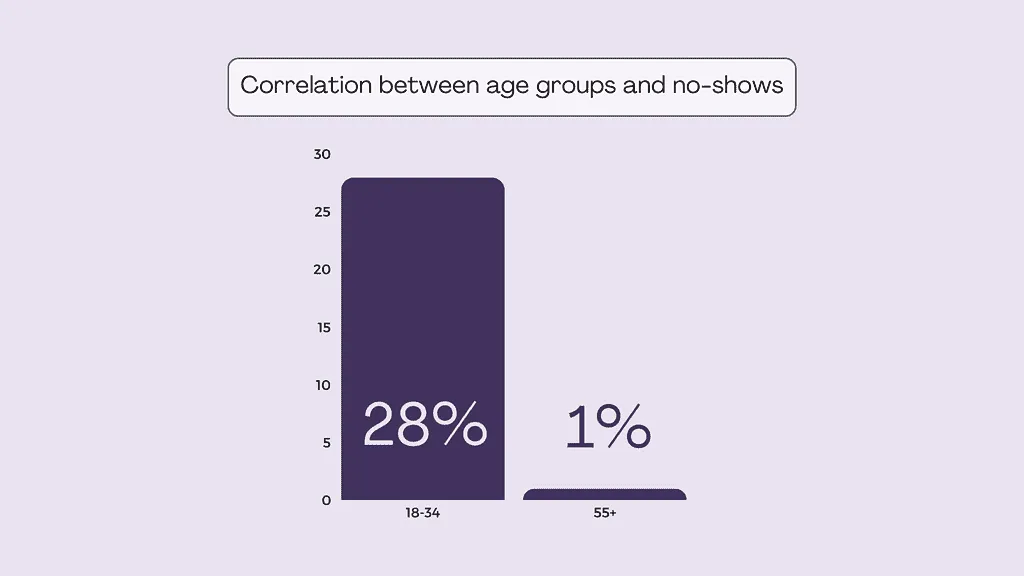
Several factors can lead to no-shows, like last-minute changes, health issues, or forgetfulness. Cost concerns and bad weather also affect it. Surprisingly, younger adults (18–34) tend to miss reservations more than those 55 and older.
Technology for fighting no shows
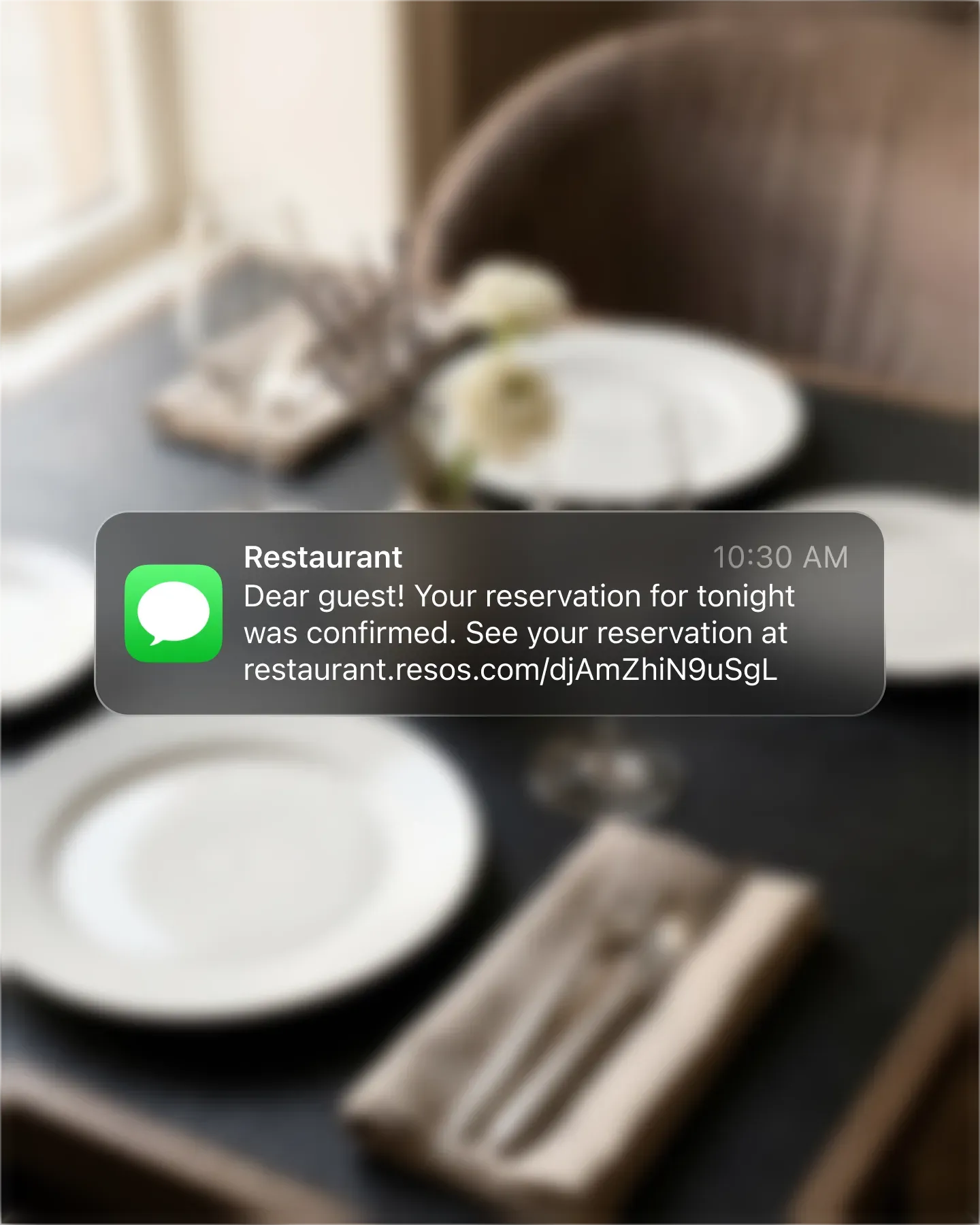
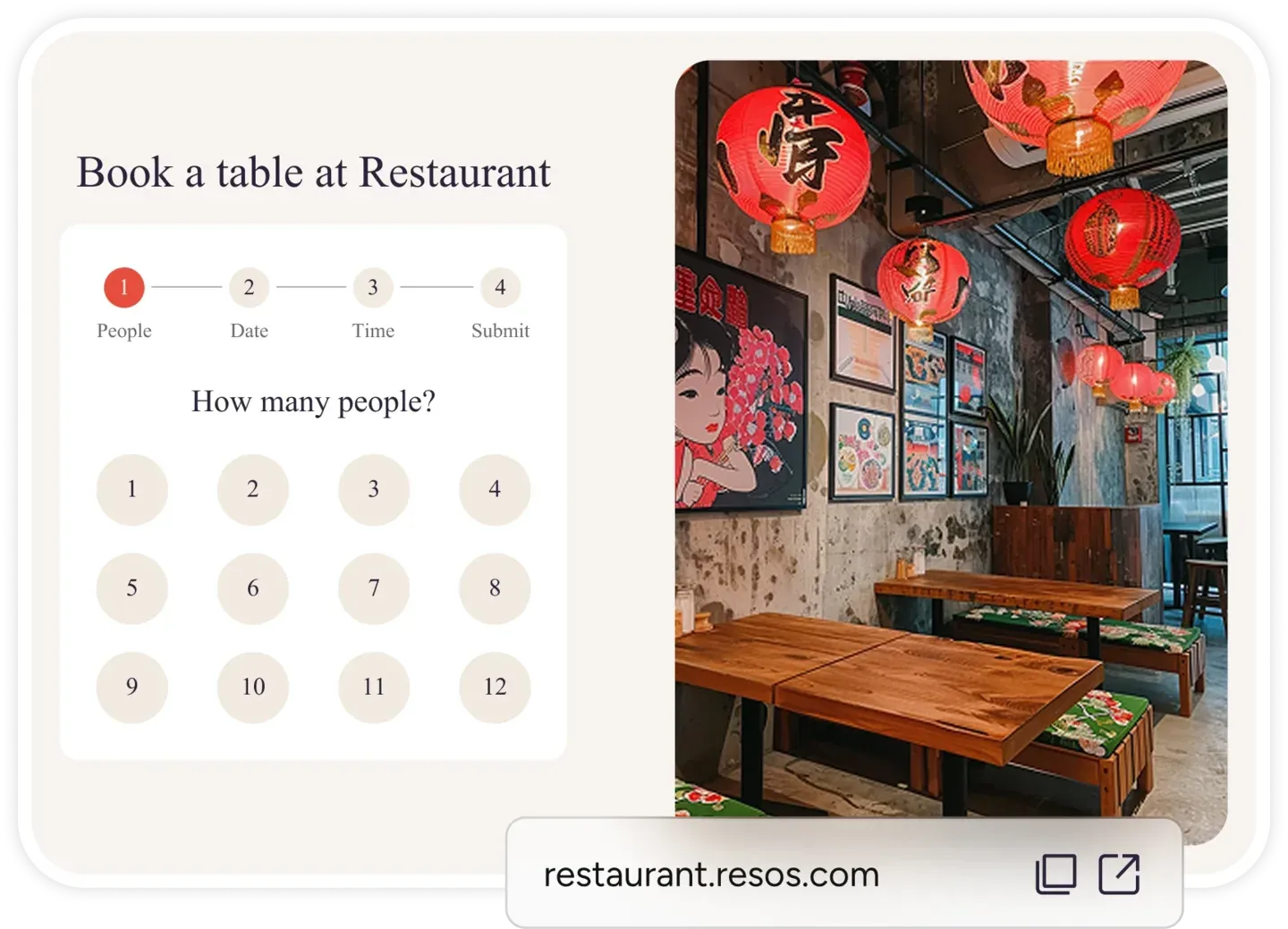
Many restaurants are turning to booking systems like Resos to effectively eliminate the issue of no-shows. 🛠️ Resos provides flexible features such as prepayments, guest flagging, and automated SMS and email booking notifications that confirm and remind guests of their reservations. These features help ensure that guests remember their reservations and reduce the likelihood of no-shows.
By requiring deposits or full payments at the time of booking, especially during busy periods like holidays, restaurants can protect their revenue. 💰📆 Additionally, the timely reminders from Resos keep reservations top of mind for guests, aiding in smoother operational flow and minimizing forgotten bookings.
Implementing such systems can transform how restaurants manage their bookings, turning the challenge of no-shows into a manageable aspect of daily operations. These tools make managing reservations more efficient and can significantly improve a restaurant’s ability to handle its guest flow.
Strategies to combat no-shows
💰 Prepayment and deposits: By requiring prepayments or deposits, particularly during peak times or for special events, restaurants can secure revenue upfront. This approach not only reduces the likelihood of no-shows, but also ensures some level of compensation if the guest fails to arrive.
💳 Credit card guarantees and no-show fees: Many venues ask for credit card details at the time of reservation. This allows them to charge a no-show fee if the guest doesn’t cancel in time, according to a clearly communicated cancellation policy.
📜 Waiting lists: To manage the risk of no-shows, many restaurants maintain waiting lists. This strategy allows them to fill tables quickly in the event of last-minute cancellations or no-shows. Waiting lists can be an effective way to ensure that seats do not remain empty, optimizing the restaurant’s capacity and potentially increasing revenue.
🔔 Reminders and communication: Sending timely reminders via SMS or email can significantly reduce forgetfulness. Automated systems help maintain communication with the guests, reminding them of their reservations and providing easy options to cancel if necessary.
Reservations that get an SMS reminder look different in our own data. In the Resos No-Show Index, reservations with a delivered SMS reminder showed a 16% lower recorded no-show rate than reservations at the same restaurants without one, based on 46,884 exposed reservations at 257 restaurants that had reservations both with and without a delivered reminder. That is an observed association, not a controlled experiment, so it does not show that the reminder caused the difference.
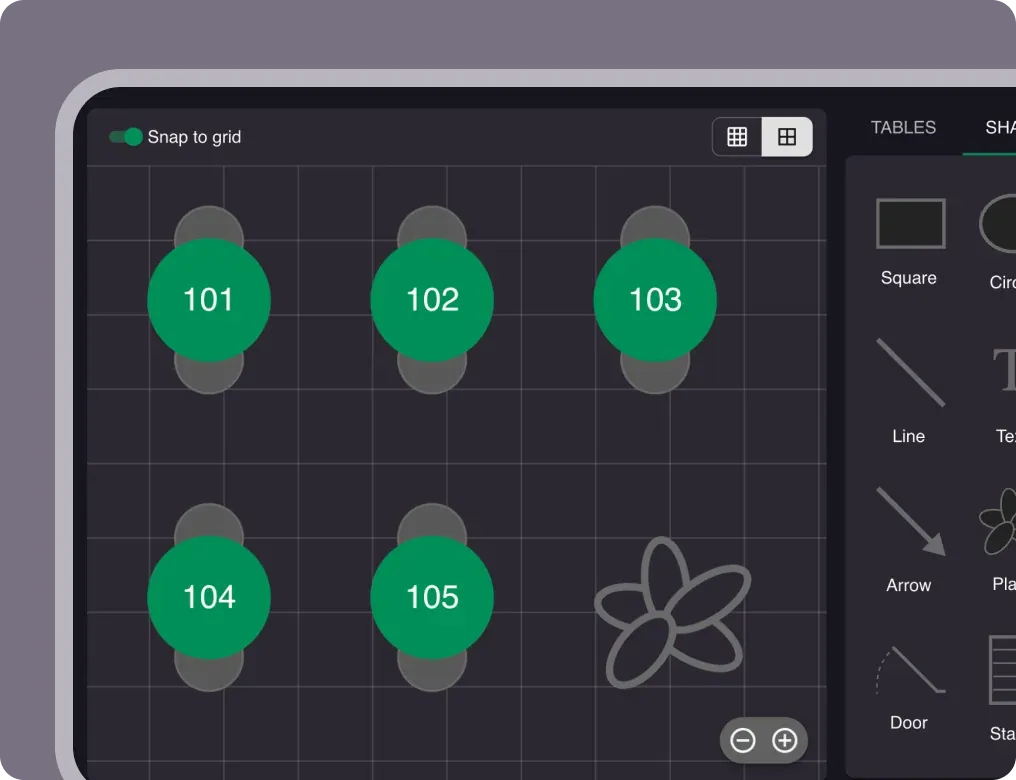
📲 Leveraging technology: Restaurant booking systems such as Resos enable restaurants to manage reservations more effectively. This system can integrate prepayment options, manage cancellation policies, and send automated reminders to guests. You can also get analytics to track no-show rates and adjust strategies accordingly.
Importance of Clear Communication
It is vital for restaurants to clearly articulate their no-show and cancellation policies during the booking process. Transparency in communication helps manage guest expectations and reduces the likelihood of disputes over charges.
What is no-show policy?
A no-show policy in a restaurant context is a set of guidelines that a restaurant implements to handle situations where a customer makes a reservation but fails to show up without providing prior notification. This policy is crucial for managing the potential negative impacts on the restaurant’s operations and finances.
🔑 Key aspects of a restaurant’s no-show policy typically include:
Cancellation deadline: Customers must cancel their reservation within a set period, usually 24 to 48 hours before their scheduled arrival, to avoid a penalty.
Penalties: Failure to cancel within the deadline may result in a no-show fee charged to the guest’s credit card, either as a fixed amount or a percentage of the estimated bill.
Communication: The policy is clearly communicated at the time of booking and reiterated in confirmation communications.
Flexibility: Some flexibility is provided for emergencies, allowing customers to cancel without penalty under specific circumstances.
By implementing a no-show policy, restaurants aim to reduce the frequency of empty tables that could have been offered to other diners, thereby minimizing revenue loss and ensuring better resource utilization. This policy also promotes more responsible booking behavior among customers, encouraging them to notify the restaurant in advance if they can no longer make their reservation.
Wrap up
No-shows are an ongoing issue in the restaurant industry, but with strategic planning, clear communication, and the use of modern technology, restaurants can minimize their impact. By understanding the reasons behind no-shows and implementing effective policies, restaurants can improve their operational efficiency and enhance the dining experience for all guests.
Resos includes separate tools for different no-show jobs. Repeat no-show guest alerts add useful history to a returning guest’s booking, while a no-show fee policy requires card authorization and lets the restaurant charge for a missed reservation. Guest communication tools help the team stay in touch and keep bookings on track.