


In this article
As we look towards 2026, the restaurant industry is poised for innovative changes. The trend is leaning towards value-driven consumer behavior, with a focus on experiences and quality. According to insights from The Food Institute, consumers are increasingly price-sensitive, exploring more channels to find value.
There’s a noticeable shift towards fast-casual dining, driven by the ease of mobile ordering and takeout. This trend is not just a pandemic-era anomaly but a permanent change in consumer behavior.
This article delves into the key trends shaping the industry, offering valuable insights for owners to strategize and thrive.
What is trending in flavors for 2026?
For restaurant owners, understanding flavor trends is crucial. In 2026, the trend is not just about specific flavors, but about offering a unique and experiential dining experience. This trend indicates a shift towards diverse and possibly international flavors, as consumers seek novel dining experiences.
As a restaurant owner, focusing on creating unique flavor profiles and incorporating global cuisine elements can be a key differentiator. This approach not only caters to the adventurous palate of modern diners but also sets your establishment apart in a competitive market.
What is the next big food trend?
2026 is expected to be a year marked by innovation in the restaurant sector. This includes the adoption of automation, which can save labor costs and potentially increase food quality. For restaurant owners, this means considering investments in technology that can streamline operations and enhance the guest experience.
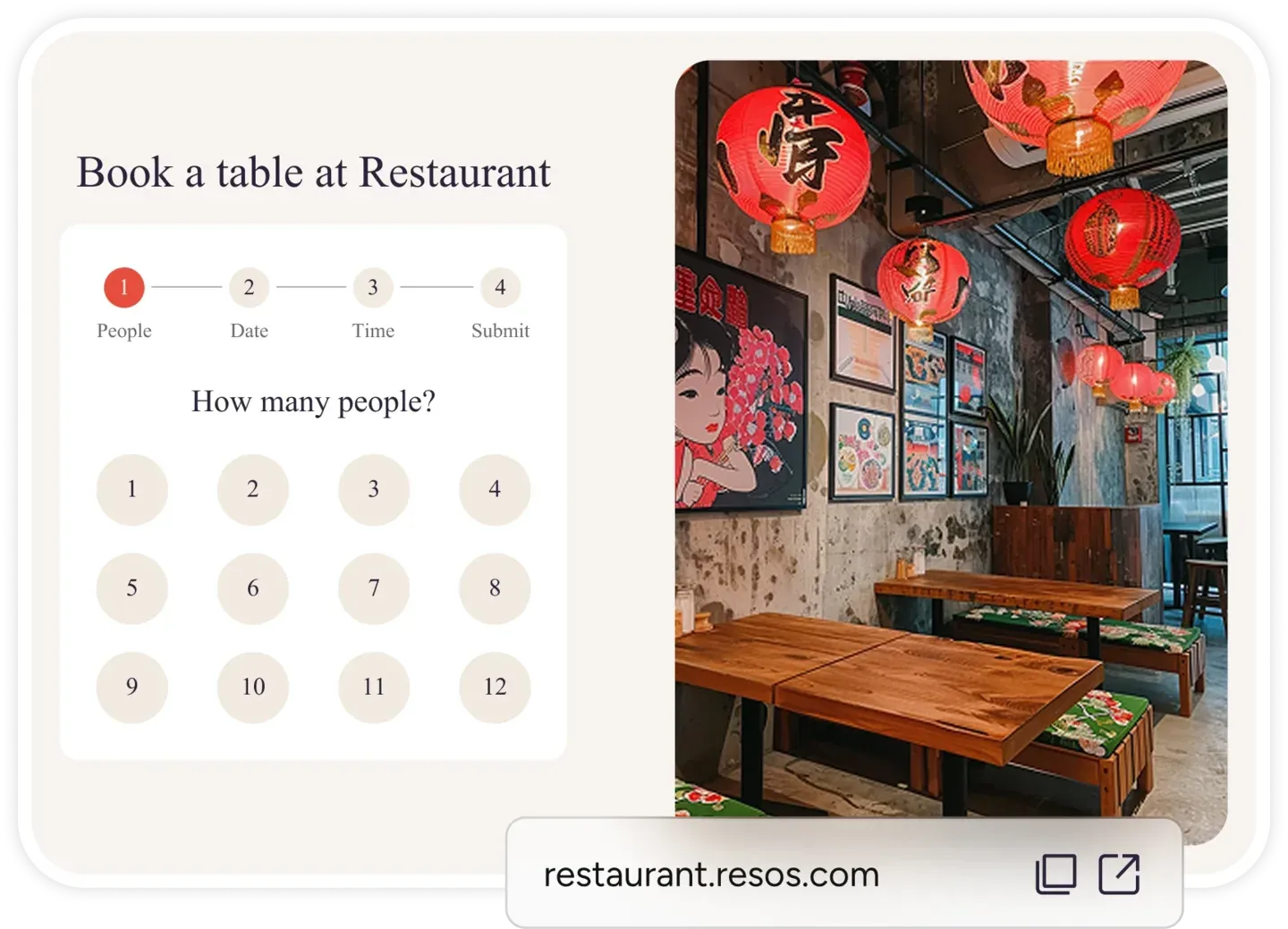
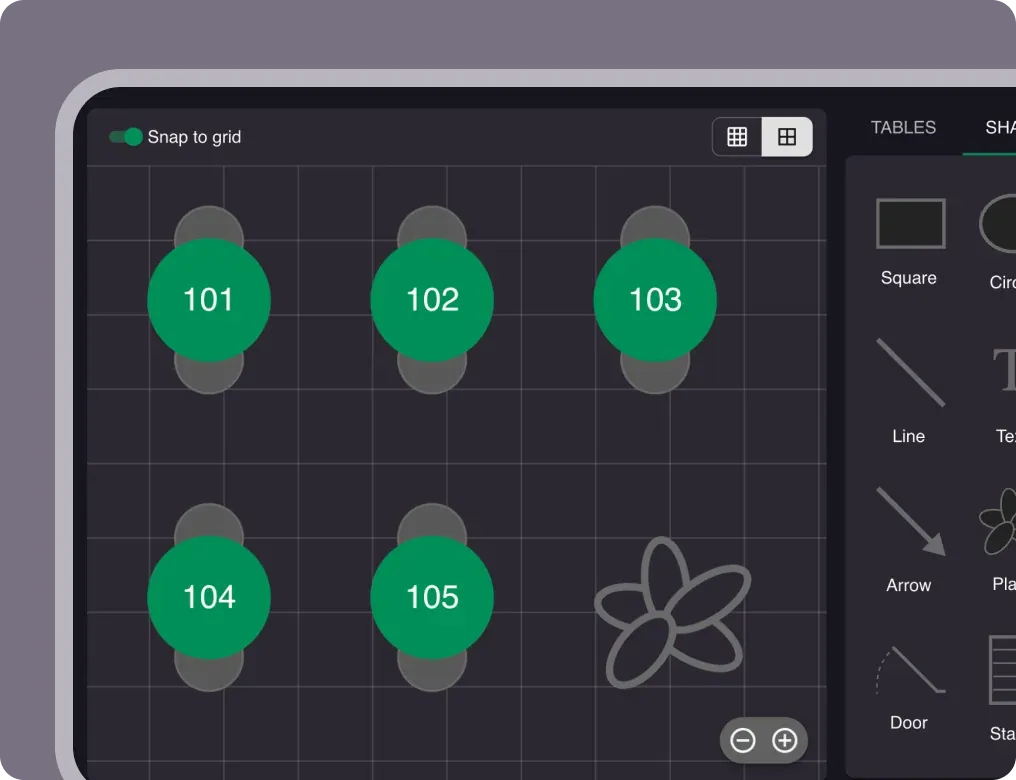
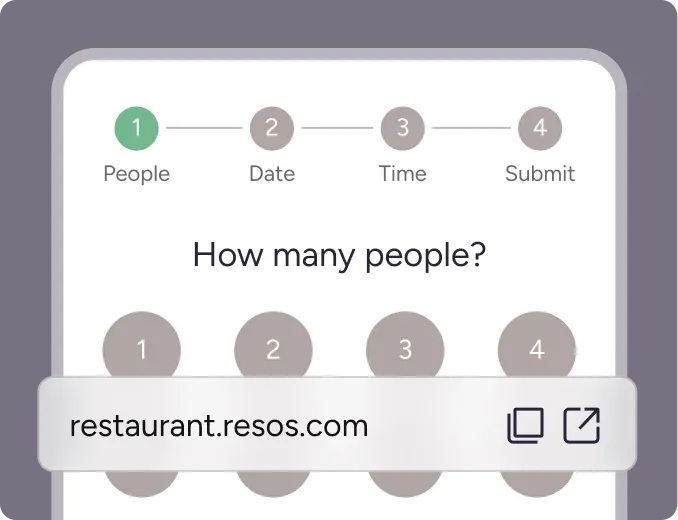
One such example is the implementation of systems like Resos, a restaurant booking system. Resos offers a range of features designed to optimize restaurant operations, from table management and online bookings to guest communication and Reserve with Google integration.
Additionally, a significant change in dining habits is the trend of early dining, with shifts towards late afternoon and early evening meals. This shift presents an opportunity for restaurant owners to adjust their service hours and marketing strategies to cater to this emerging customer preference.
Key statistics and strategies for restaurant owners
Technology and automation
The integration of technology in restaurant operations is not just a trend but a necessity. From online ordering systems to kitchen automation, these technologies can help reduce costs, improve efficiency, and enhance the dining experience.
By integrating a restaurant booking system like Resos, restaurant owners can not only improve efficiency but also gain valuable insights into customer preferences and behavior through detailed reports and analytics, enabling them to make data-driven decisions that enhance the dining experience.
Consumer spending shifts
Diners in 2026 are more deliberate about where they spend. After several years of inflation-driven caution, consumers are returning to restaurants with higher expectations – they want clear value for every dollar. Occasions that feel special or social are winning budget, while routine visits are being trimmed. For operators, this means the bar for a “worth it” experience has risen, and menu pricing must be backed up by tangible quality and service.
Value and experience
Consumers remain price-sensitive and are actively comparing options before committing to a booking. At the same time, venues that offer a memorable experience – whether that is live music, a unique concept, or an elevated atmosphere – continue to attract strong foot traffic. Chains and independents built around a distinctive experience are outperforming purely transactional competitors, according to ongoing tracking by The Food Institute. The lesson for operators: value is not just about price, it is about what the guest gets for the price they pay.
Dining time shifts
There’s a swift change toward late afternoon/early evening dining across categories, with reservation times moving up and fewer visits in the late hours. Late-night dining is also experiencing a resurgence, particularly at certain fast-food chains.
Consumer priorities and preferences for 2026
What are diners looking for in 2026? Research and industry surveys consistently point to a clear hierarchy of motivations. Quality time with family and friends is the top driver for dining out – meals are a social ritual, and guests are choosing venues that support that experience. Value for money sits in a close second place, as inflation-weary consumers weigh every outing carefully.
Health considerations have moved up the priority list too, with more guests actively scanning menus for lighter, lower-calorie, or ingredient-transparent options. Culinary adventure – trying bold, international, or unexpected flavors – attracts a growing segment, particularly among younger diners. Convenience and speed remain important for weekday occasions, and entertainment-led dining concepts (think open kitchens, chef’s tables, or themed experiences) continue to outperform the category average.
For restaurant owners and marketers, this is a clear signal: to win in 2026, focus on crafting memorable experiences, delivering clear value at every price point, and catering to health-conscious and convenience-seeking guests alike. Managing reservations smoothly is a foundational part of delivering on that promise – a frictionless booking is often the first impression your guest has of your restaurant.
Outlook for 2026
The restaurant industry in 2026 is navigating a post-inflationary landscape where consumers have recalibrated their expectations. The years of sharp cost increases have reshaped habits: diners are more selective, more loyalty-driven, and quicker to seek alternatives when an experience falls short. At the same time, foot traffic data tracked by firms like Placer.ai shows that restaurants offering genuine value, distinctive experiences, or frictionless convenience are recovering strongly and taking share from those that have not adapted.
For independent operators and small chains, the opportunity is real. Investing in the right tools – online reservations, Reserve with Google integration, and guest communication – lowers the friction between “thinking about dinner” and “booked a table.” Get started for free with Resos and see how a modern booking system can help you compete on experience, not just price.